


Oil expellers
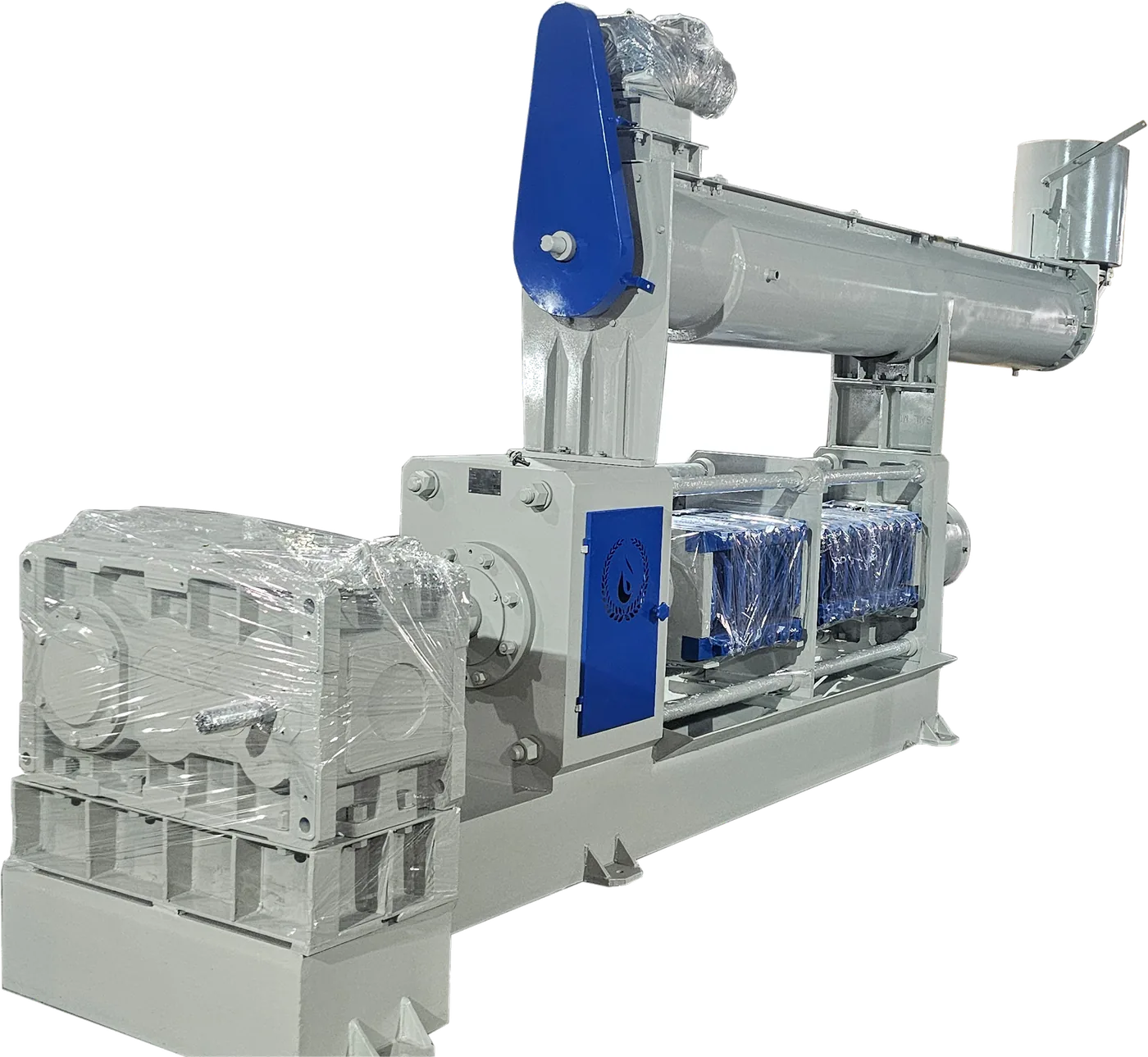
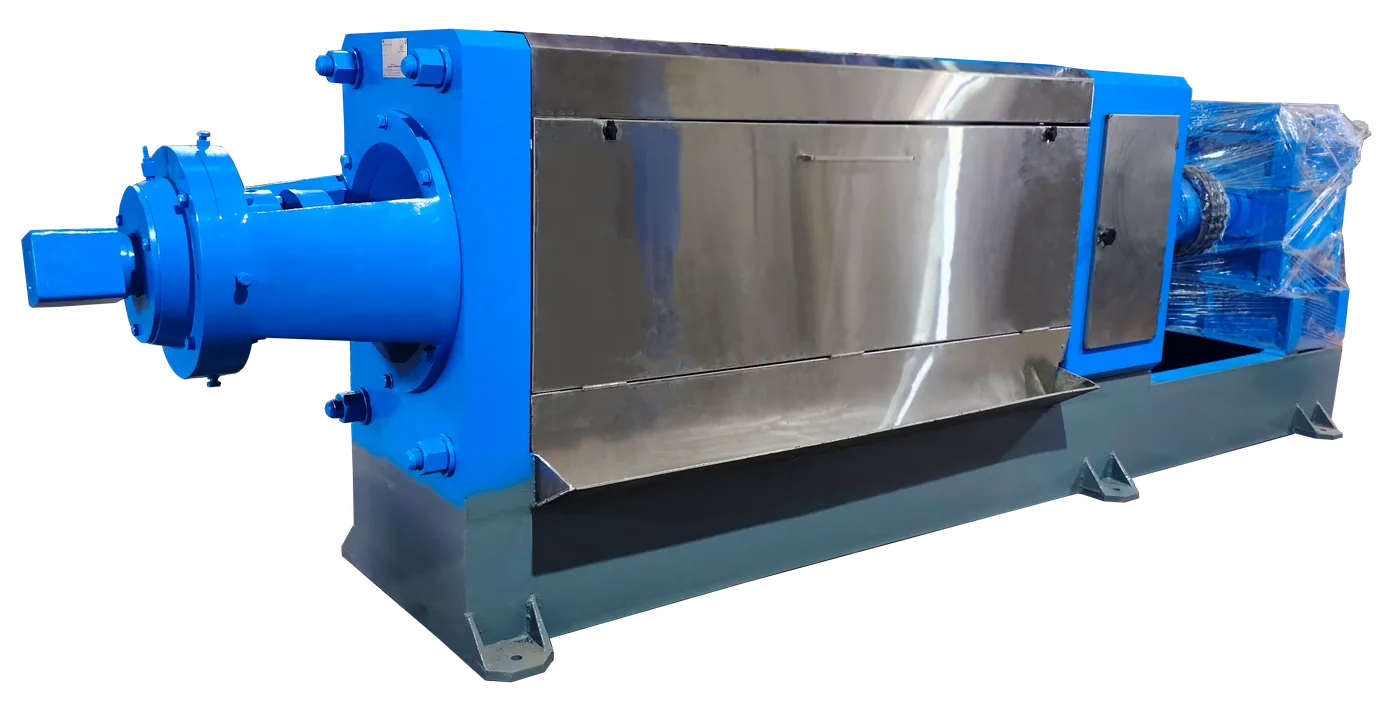
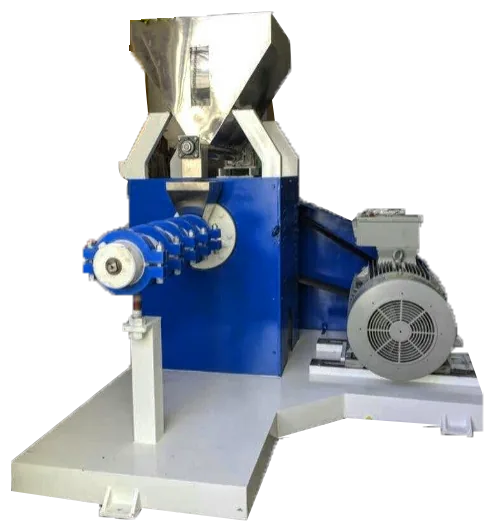
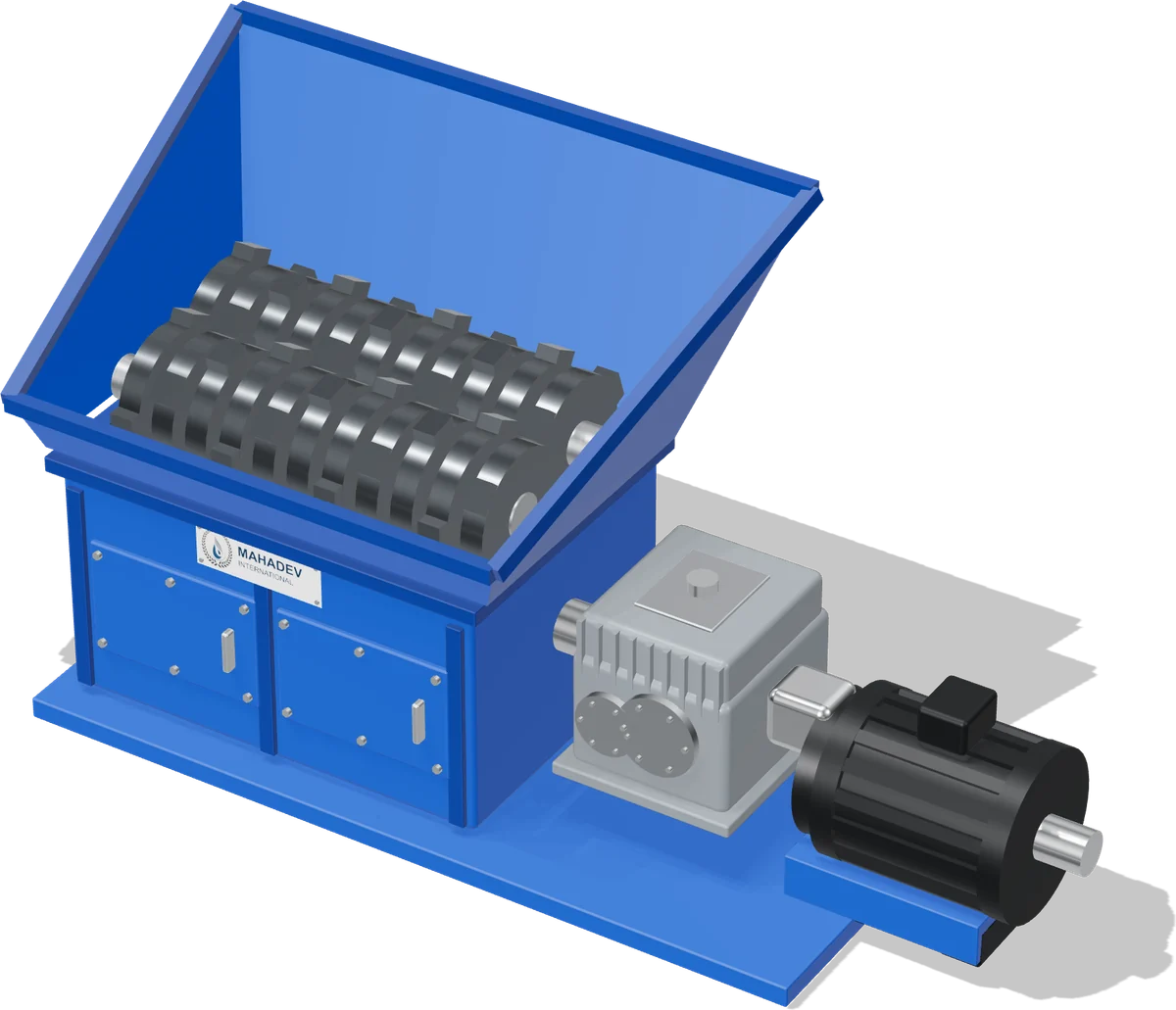
Optiflow 30 screw press
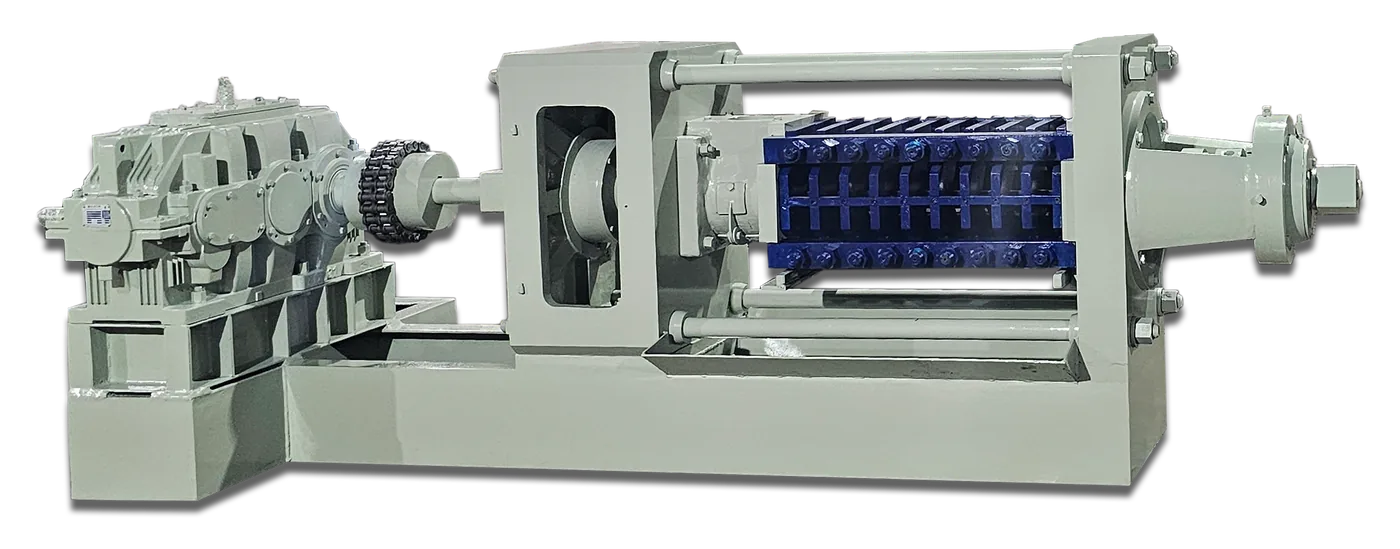
Double-chamber screw press for multi-oilseed crushing
Crushing capacityOn request
Motor powerOn request
Setting up in Gujarat? Groundnut and cottonseed oil mills for Gujarat
Why this crop is different
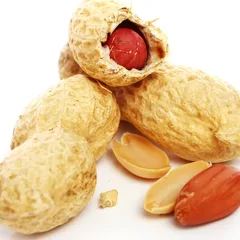
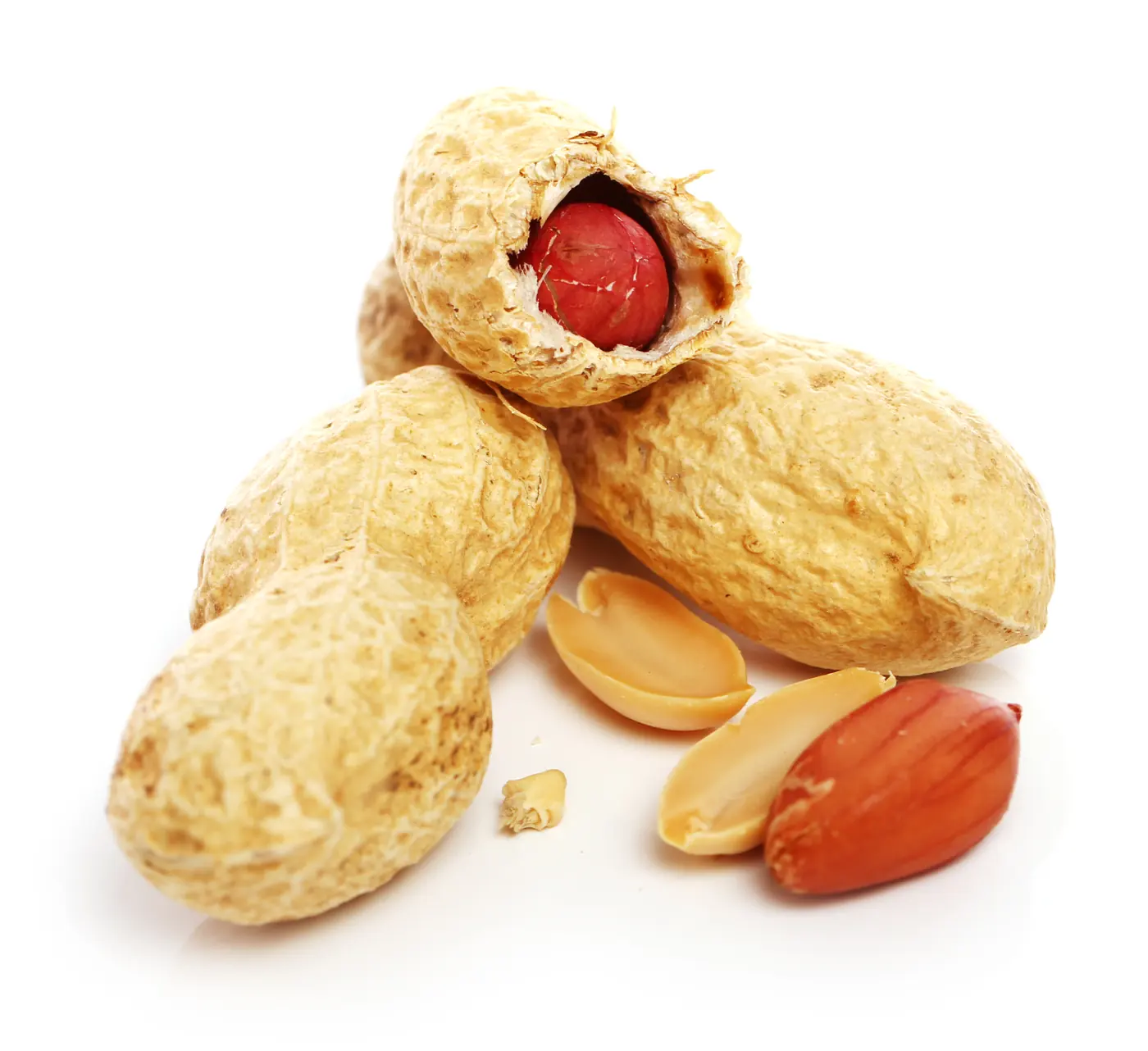
Groundnut carries one of the highest oil contents of the common Indian oilseeds, which makes it a straightforward double press but a demanding one: a high-oil seed floods a press that is fed unevenly, so feeding and cooking matter more here than on a low-oil seed. The cake is valuable as feed, which is why mills watch protein as closely as they watch oil.
Process flow
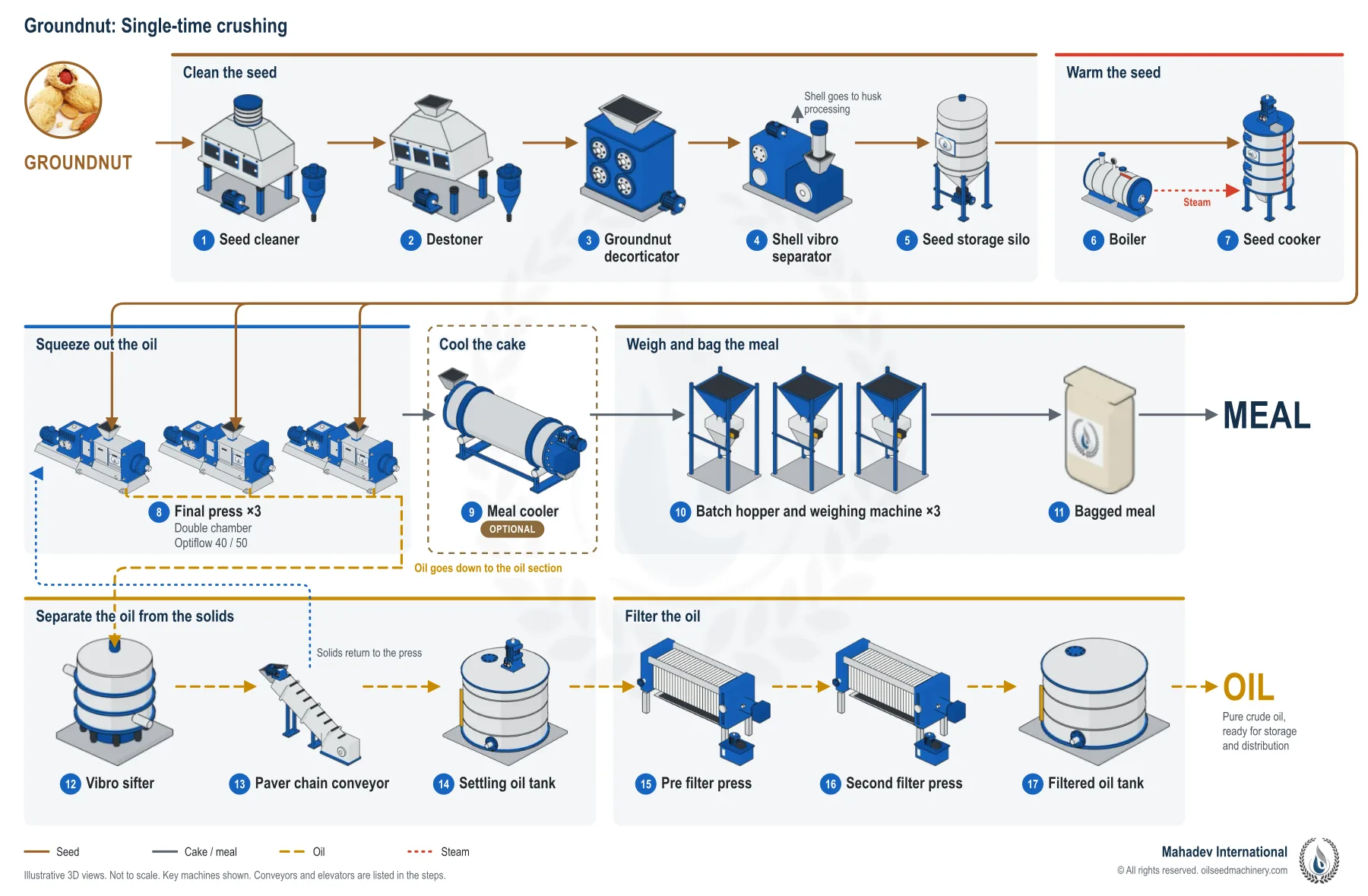
Follow the seed from left to right. The numbers on the drawing match the steps below it, and every machine is explained in plain words. We build this line in 2 ways. Open each to compare.
Shells are cracked and removed first, then three presses work side by side from one shared feed. The oil is filtered twice to give pure crude oil.
Seed arrives from the field with dust, straw and stones in it. All of that is taken out first, because it wears the press and spoils the oil.
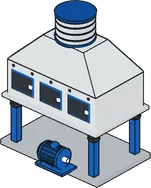
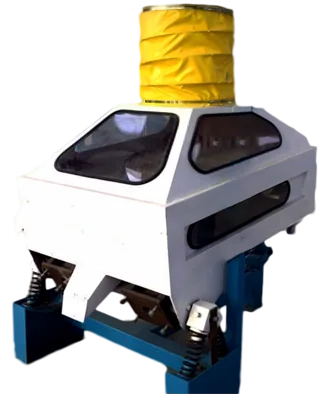
Shakes the seed over screens to take out dust, straw and anything larger or smaller than the seed.
Cyclone and blower: Sucks away the light dust and drops it in one place, keeping the air in the mill clean.
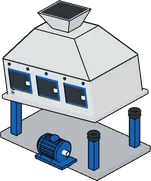
Removes stones, which are the same size as seed but heavier. One stone can damage the press.
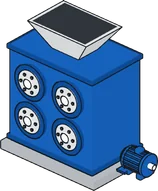
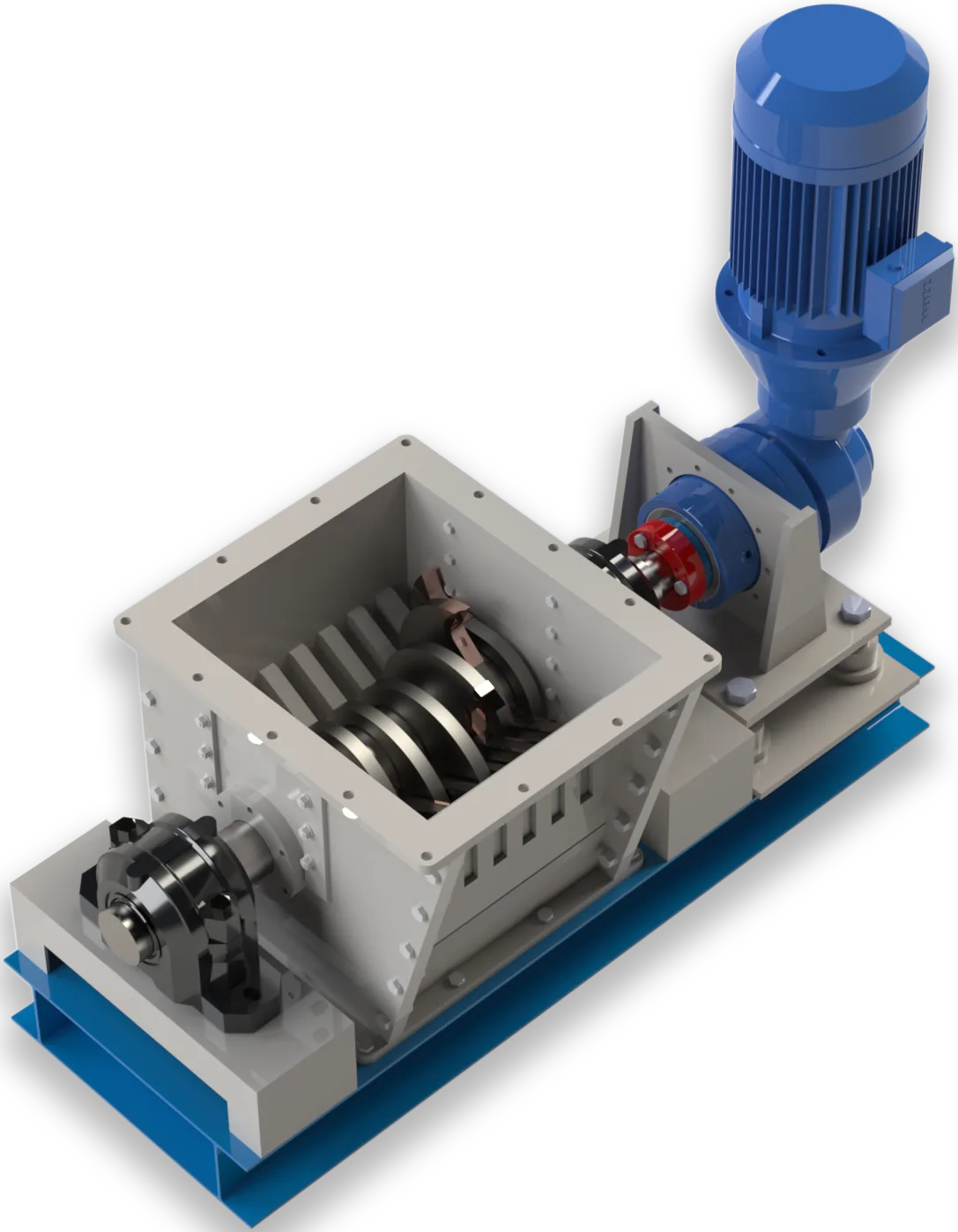
Cracks the groundnut shells open so the nuts inside can be freed.
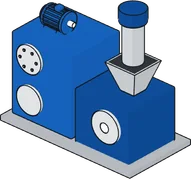
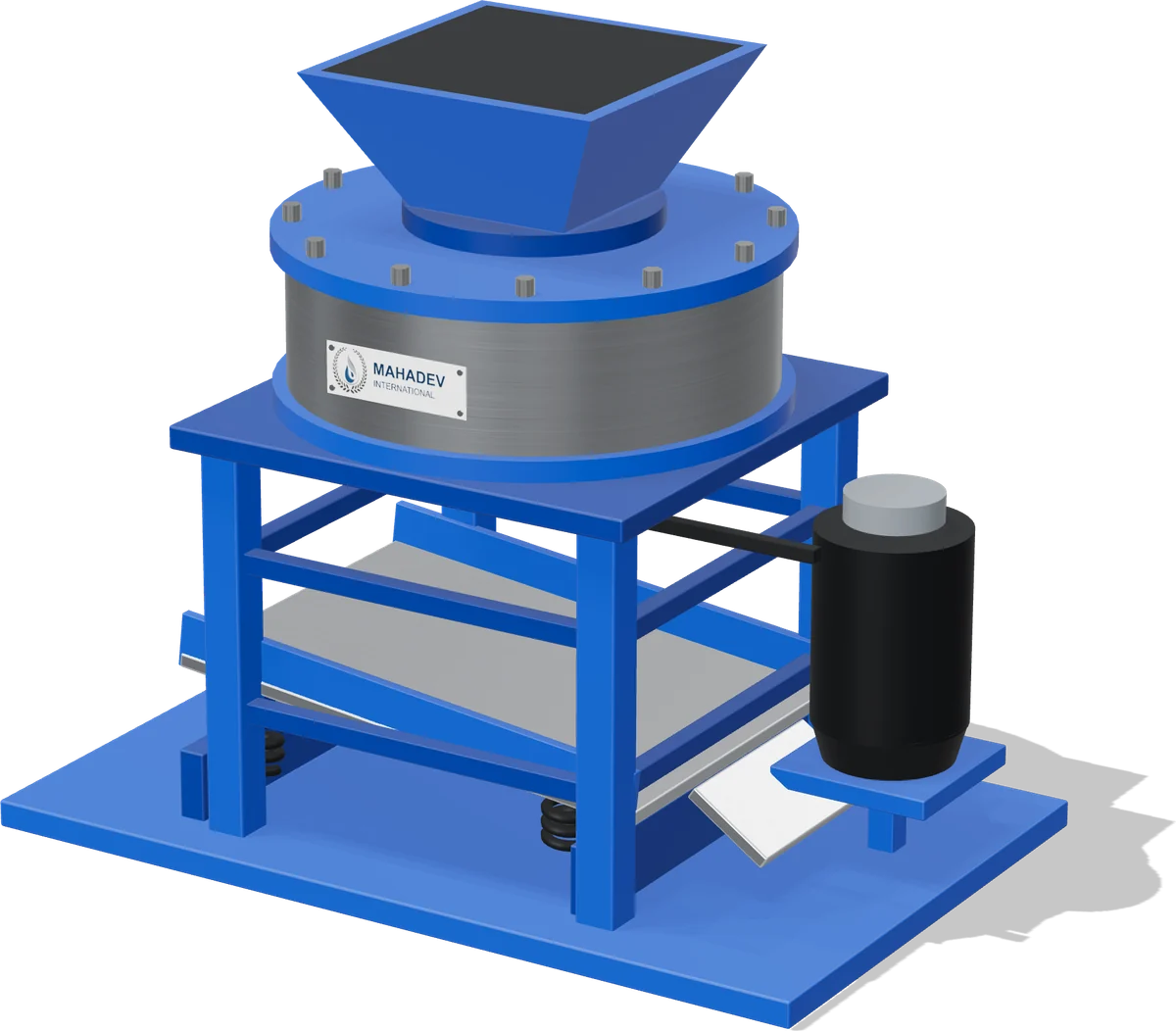
Shakes the broken shells away from the nuts. Shell holds no oil, so it should not go to the press.
Shell goes to husk processing
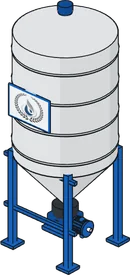
Holds clean seed ready for pressing. A rotary valve at the bottom lets it out at a steady rate.
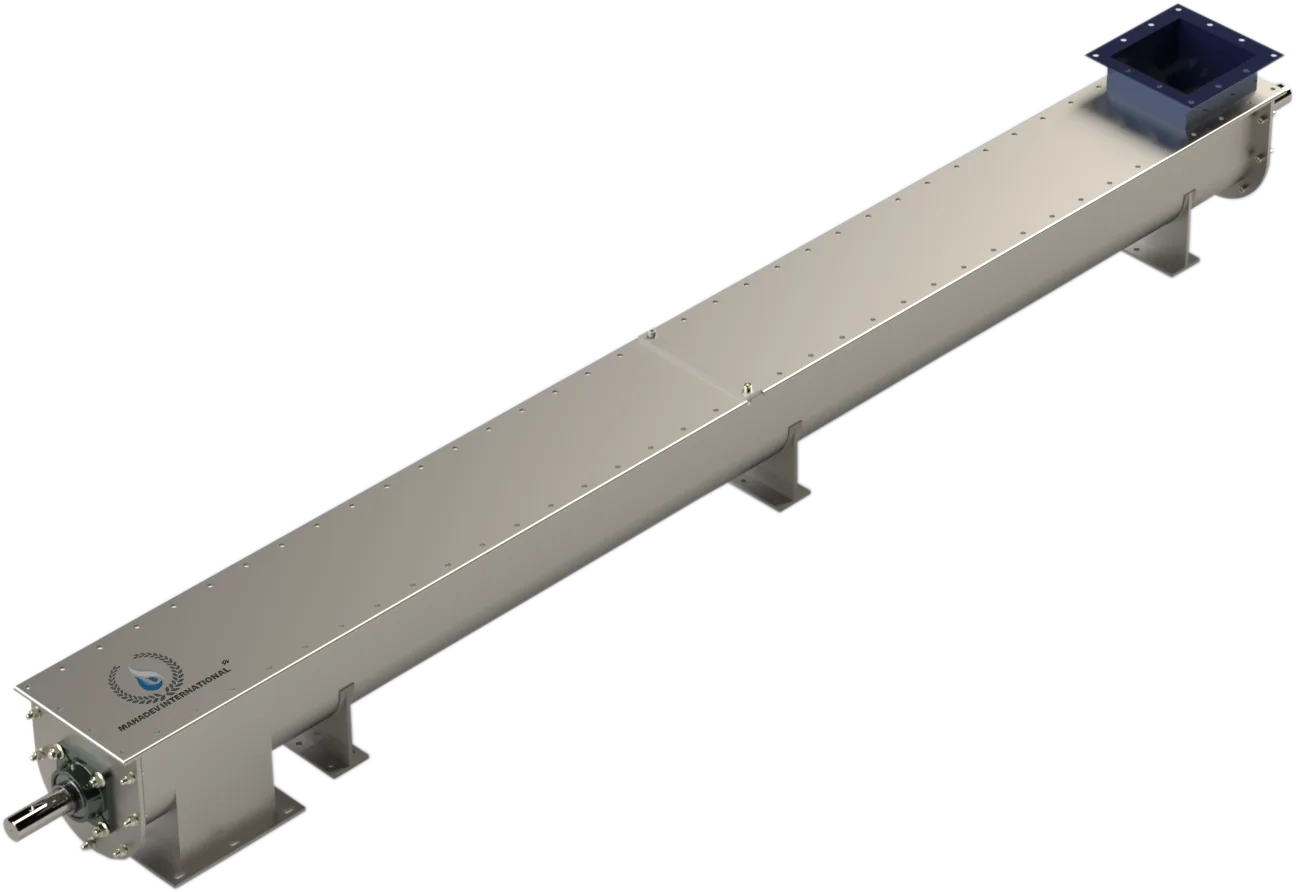
Moved between machines by: Bucket elevator, Screw conveyor
Warm, evenly moist seed releases its oil far more easily than cold seed.
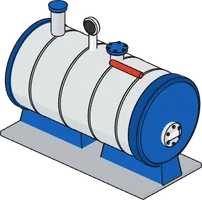
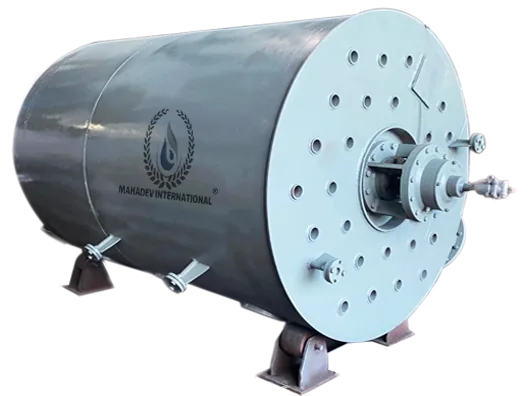
Makes the steam that heats the cooker.
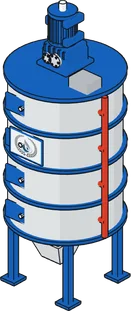
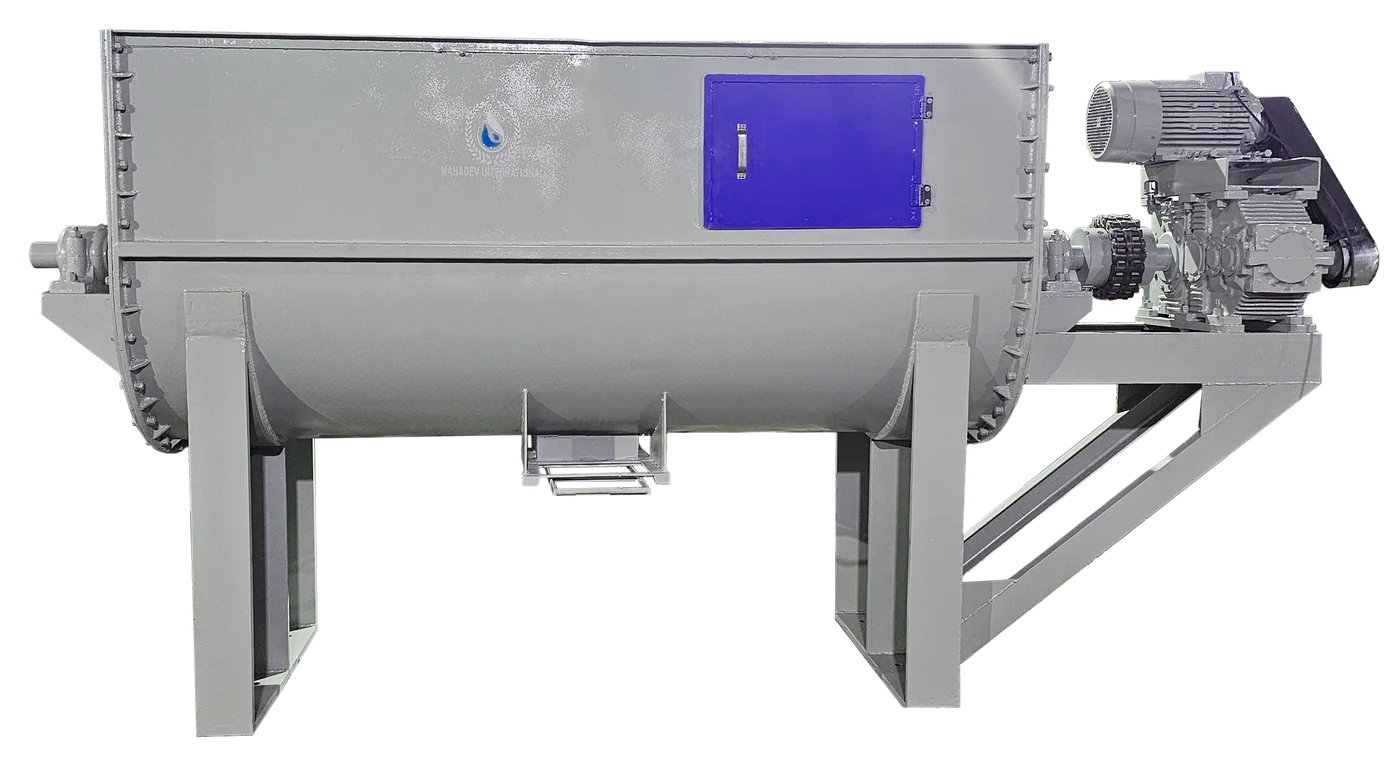
Warms and stirs the seed with steam. Warm seed gives up its oil far more easily, like warm butter compared with cold.
This is where seed becomes two products: oil, and a dry cake known as meal.
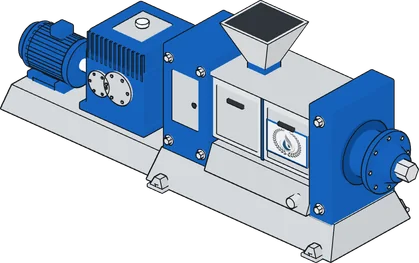
Oil expeller · Double chamber · Optiflow 30
The heart of the mill. A turning screw squeezes the seed harder and harder until the oil runs out through narrow gaps, leaving a dry cake.
Moved between machines by: Bucket elevator
Cake leaves the press hot. A cooler brings it down before bagging so it stores well. Not every line needs this.
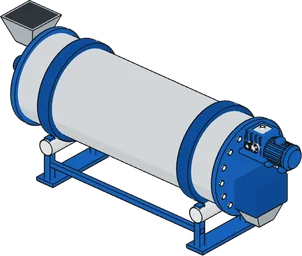
A slowly turning drum with air drawn through it cools the warm meal, so it stores safely in bags.
The meal is weighed into bags. It is valuable in its own right, usually as animal feed.
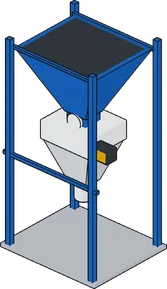
Holds the meal and weighs out each batch into a bag.

The pressed seed, sold as animal feed or sent on for further processing.
Moved between machines by: Screw conveyor, Bucket elevator
Oil leaves the press cloudy with bits of seed, called foots. These are sifted out and sent back to the press, and the oil moves on.
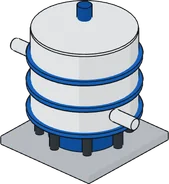
The oil from the press is cloudy with bits of seed, called foots. This vibrating screen lets the oil through and holds the bits back.
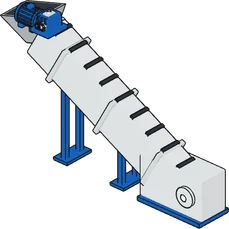
Carries the wet bits caught by the sifter back up, so they go through the press again and their oil is not wasted.
Solids return to the press
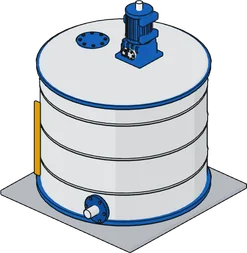
The oil rests here while the finer particles sink to the bottom, and a slow stirrer keeps the tank even.
Moved between machines by: Screw conveyor, Pump
The oil is pushed through filters until it runs clear, then stored.
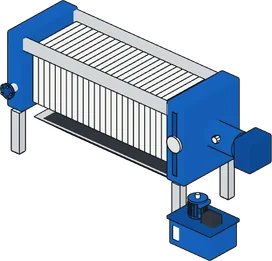
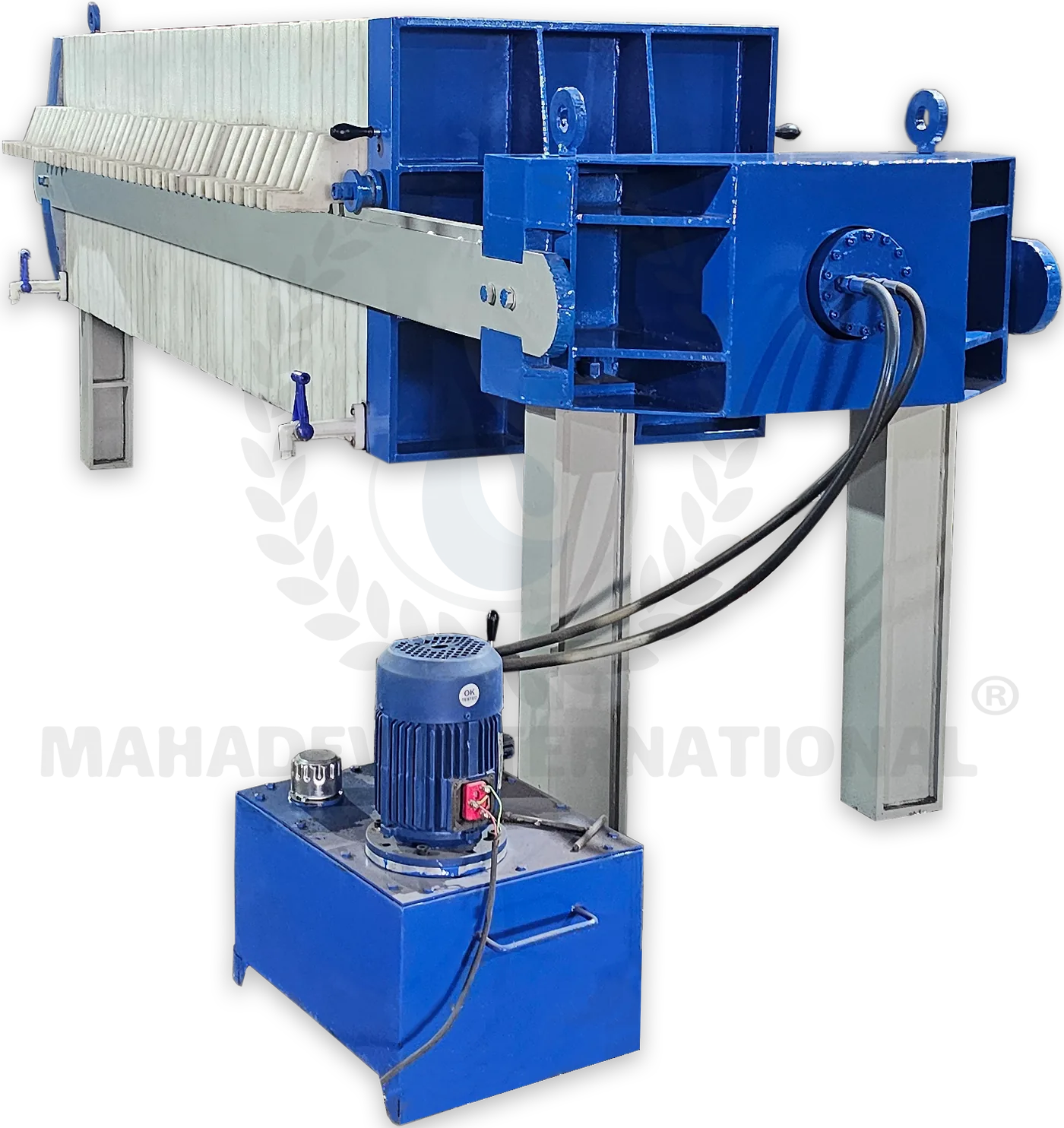
The first filter. Takes out most of the fine solids that are left in the oil.
Filters the oil a second time, for a clearer finished crude oil.
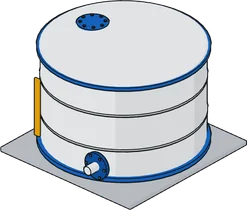
Stores the clear oil after filtering.
Moved between machines by: Pump
The oil ends here: Pure crude oil, ready for storage and distribution
Shells are removed first, then the seed goes through two presses in a row. The pre-press takes most of the oil, and the final press squeezes the same cake again. The oil is filtered once before it goes to storage and the refinery.
Seed arrives from the field with dust, straw and stones in it. All of that is taken out first, because it wears the press and spoils the oil.
Shakes the seed over screens to take out dust, straw and anything larger or smaller than the seed.
Cyclone and blower: Sucks away the light dust and drops it in one place, keeping the air in the mill clean.
Removes stones, which are the same size as seed but heavier. One stone can damage the press.
Cracks the groundnut shells open so the nuts inside can be freed.
Shakes the broken shells away from the nuts. Shell holds no oil, so it should not go to the press.
Shell goes to husk processing
Holds clean seed ready for pressing. A rotary valve at the bottom lets it out at a steady rate.
Moved between machines by: Bucket elevator, Screw conveyor
Warm, evenly moist seed releases its oil far more easily than cold seed.
Makes the steam that heats the cooker.
Warms and stirs the seed with steam. Warm seed gives up its oil far more easily, like warm butter compared with cold.
The warmed seed gets its first squeeze. This takes most of the oil and leaves a cake that still holds some.
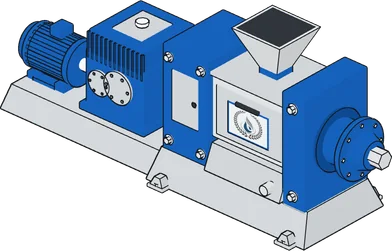
Oil expeller · Single chamber · Optiflow 45
The heart of the mill. A turning screw squeezes the seed harder and harder until the oil runs out through narrow gaps, leaving a dry cake.
Moved between machines by: Bucket elevator, Screw conveyor
The cake from the first press is warmed and squeezed again, to recover the oil still left in it.
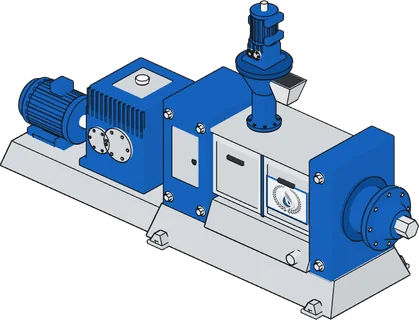
Oil expeller · Double chamber · Optiflow 30
The heart of the mill. A turning screw squeezes the seed harder and harder until the oil runs out through narrow gaps, leaving a dry cake.
Cake leaves the press hot. A cooler brings it down before bagging so it stores well. Not every line needs this.
A slowly turning drum with air drawn through it cools the warm meal, so it stores safely in bags.
The meal is weighed into bags. It is valuable in its own right, usually as animal feed.
Holds the meal and weighs out each batch into a bag.
The pressed seed, sold as animal feed or sent on for further processing.
Moved between machines by: Screw conveyor, Bucket elevator
Oil leaves the press cloudy with bits of seed, called foots. These are sifted out and sent back to the press, and the oil moves on.
The oil from the press is cloudy with bits of seed, called foots. This vibrating screen lets the oil through and holds the bits back.
Carries the wet bits caught by the sifter back up, so they go through the press again and their oil is not wasted.
Solids return to the press
The oil rests here while the finer particles sink to the bottom, and a slow stirrer keeps the tank even.
Moved between machines by: Screw conveyor, Pump
The oil is pushed through filters until it runs clear, then stored.
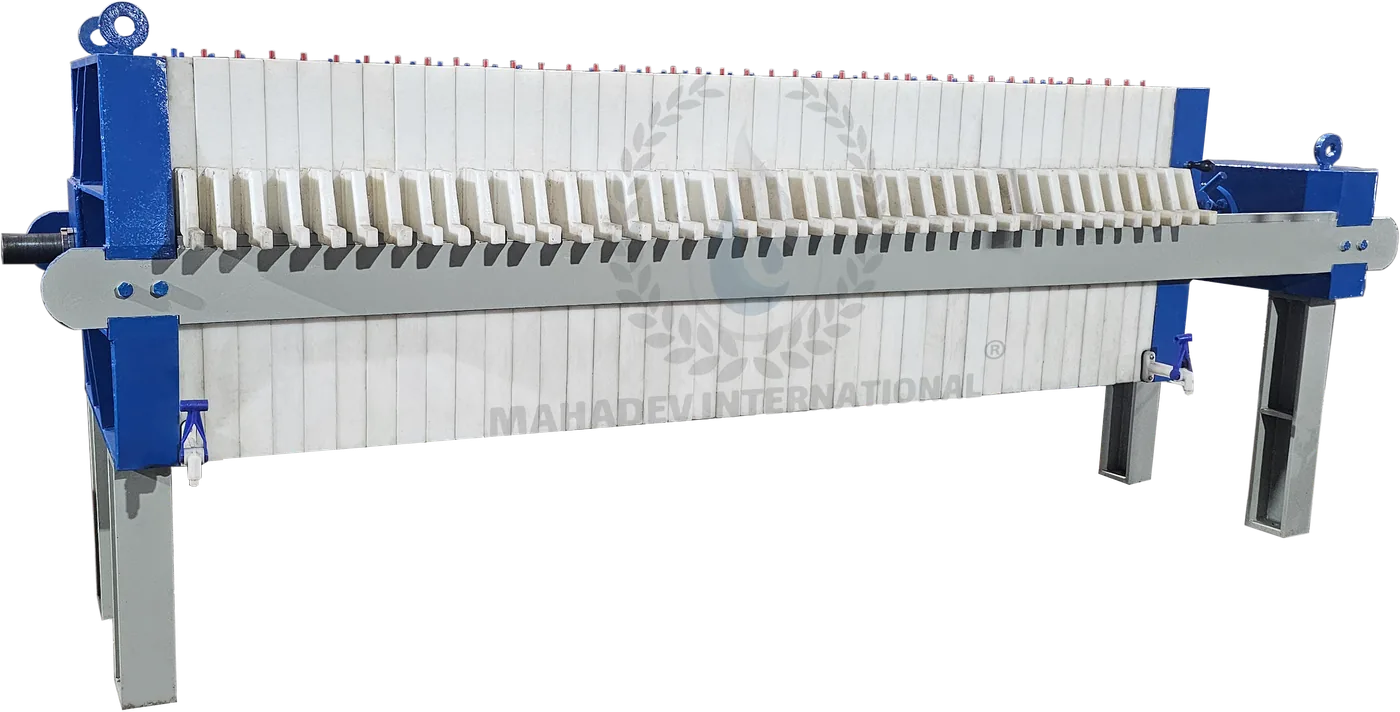
Forces the oil through cloth-covered plates. The last fine solids stay on the cloth and clear oil comes out.
Stores the clear oil after filtering.
Moved between machines by: Pump
The oil ends here: To storage and refinery
The line
Taken from the catalogue: every machine listed here is rated for this crop. General-purpose conveying, filtration and spares suit every line and are listed separately.
Double-chamber screw press for multi-oilseed crushing
Heavy-duty double-chamber screw press for multi-oilseed application
Heavy-duty double-chamber screw press for multi-oilseed application
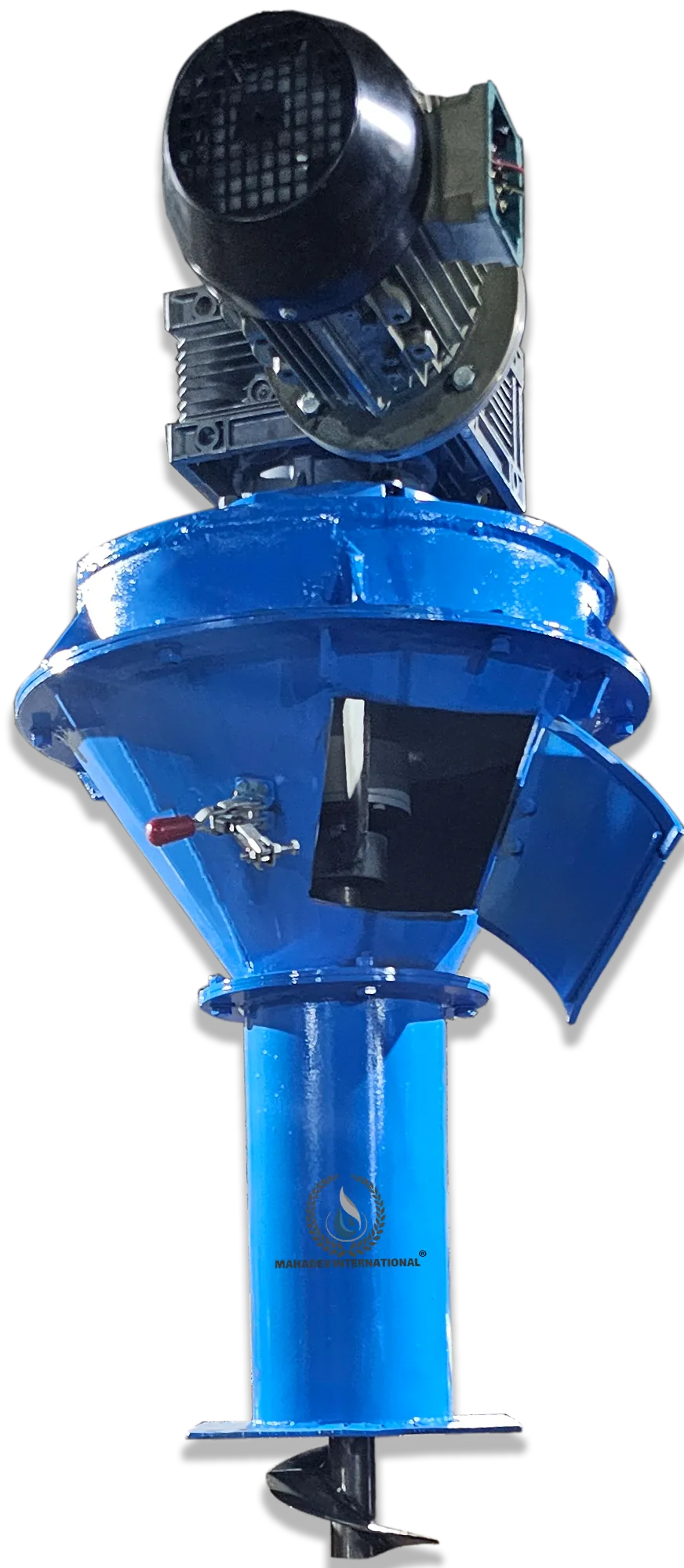
High-performance vertical-mounted seed conditioner
Smart feeding that prevents bridging in the feed hopper
Better cooling, easy conveying and consistent packaging of cake
Shell and husk removal for seeds, nuts and grains
What it earns
Set to groundnut at 46% oil, the figure we publish for this crop. The tonnage, the hours and the three prices are yours to change — the rates shown are examples, not a quotation.
| Oil sales | ₹607,000 |
| Cake sales | ₹214,000 |
| Seed cost | −₹713,000 |
| Gross margin per day, before power and labour | ₹107,000 |
| Per month · 25 working days | ₹2,684,000 |
Worked out from the three prices on the left, which are examples. Put your own in before you trust this figure.
| Stage | Duty | Machine | Units |
|---|
Each machine is sized from the capacity we publish on its own page. Stages we do not publish a capacity for are sized to your layout.
Machine list, layout and power load for your numbers.
Where we deliver
Most of our groundnut enquiries come from Rajkot, Junagadh, Erode, Namakkal and Anantapur. We quote and commission across India, and export through our Ludhiana works.
Other crops
Three short steps. Our team replies on WhatsApp, by phone or by email, whichever you prefer.